Recycling of compostable bioplastics at almost 58%; the population covered exceeds 85%. Sharp increase also in the South
Around three years since the Biorepack Consortium commenced operations, the results of the management and organic recycling of compostable bioplastics show an efficient and consolidated system, the first of its kind in Europe. This is confirmed not only by data on recycling rates but also by data on the population served, the number of affiliated municipalities and the financial payments they receive.
The 2024 management report for Biorepack, the Italian national consortium for the organic recycling of biodegradable and compostable plastic packaging, presented today in Milan during the annual meeting of consortium members, showed that the recycling rate reached 57.8%, around 2 percentage points higher than the previous year. The recycling rate is therefore eight percentage points higher than the 2025 European recycling target for plastics (50%) and three percentage points higher than the 55% target for 2030.
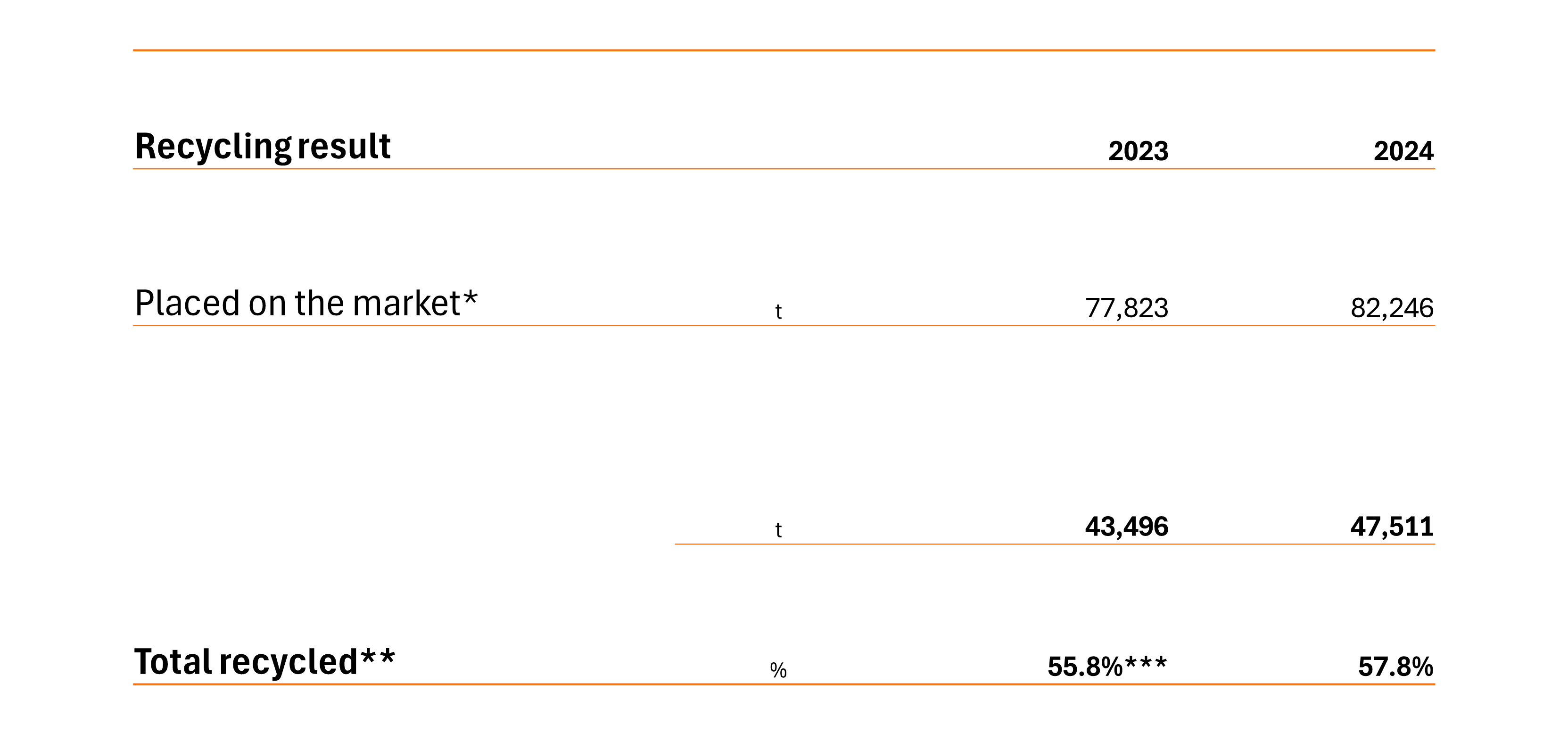
*with ANCI-CONAI payments
**Net of waste (national management, i.e. all packaging subject to the CAC environmental contribution for bioplastics)
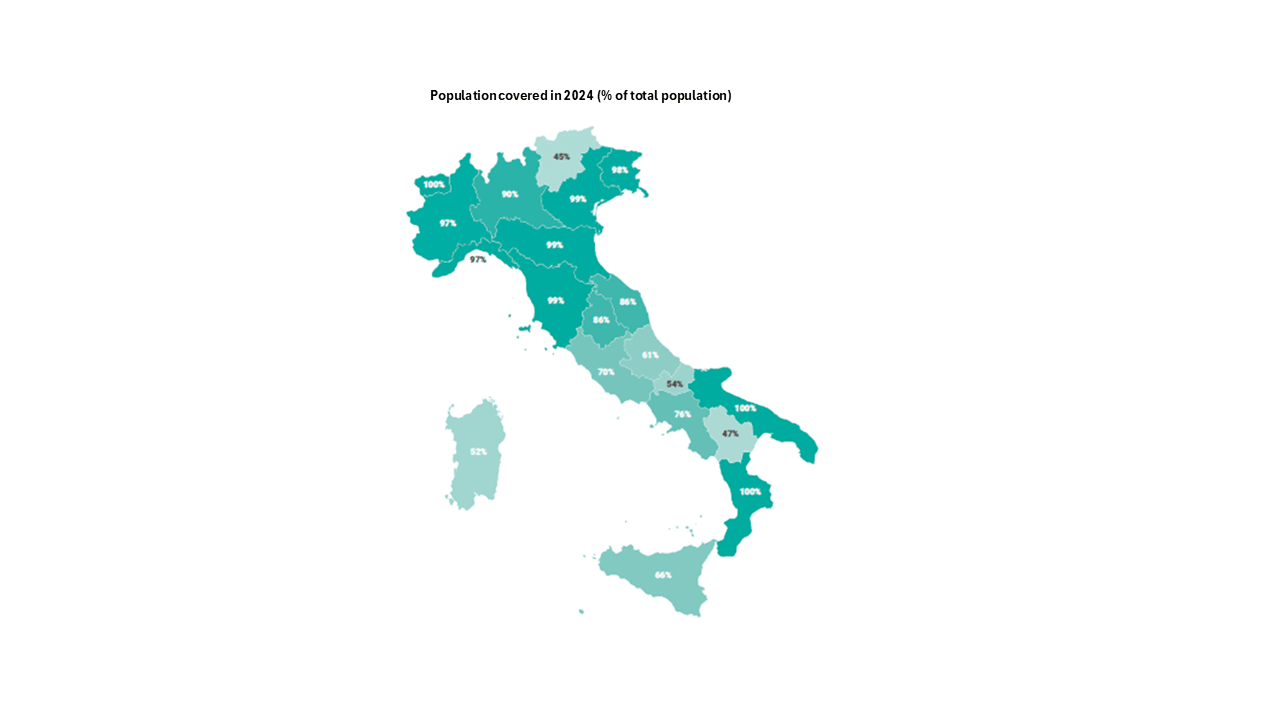
Over the same period, the Italian population covered by services for the collection and organic recycling of compostable bioplastics saw a sharp increase: it exceeded 85%, 11 percentage points higher than in 2023. In nine regions (Valle d'Aosta, Piedmont, Liguria, Veneto, Friuli-Venezia Giulia, Lombardy, Emilia-Romagna, Tuscany, Calabria and Puglia) coverage was over 97%.
The increase was particularly significant in the regions of the South of Italy: Calabria reached 100% of the population (76 percentage points higher), while Campania rose by 34 percentage points and Puglia reached 100%. In the Centre of Italy, the increase was led by Lazio and Umbria, while the North saw further gains on already high levels, in particular Friuli-Venezia Giulia which registered a 23-percentage-point increase and Piedmont which rose by 10 percentage points.
“These results fill us with pride. In just over three years of activities, we have achieved results that could certainly not be taken for granted at the beginning, and today our consortium, the first of its kind in Europe, is present throughout Italy,” said Biorepack president Marco Versari. “This confirms the value of our consortium’s activities and demonstrates the importance for Italy of having a body that can create synergies and alliances with all those involved in the collection and processing of organic and compostable waste at the local and regional levels. We are careful not to squander a waste component that is important in terms of quality and the contribution it makes to protecting and increasing the fertility of our agricultural soils and fighting soil degradation. And in this context, compostable bioplastic packaging plays an important role in increasing the quality and quantity of organic waste collection.”
It is also significant that the Consortium’s activities are a source of valuable financial resources for its members: in 2024 the payments made to Municipalities and the delegated operators of separate waste collection reached €12.7 million to cover the costs of the collection, transport and processing of compostable bioplastic packaging disposed of with food waste.
The challenge of higher quality collection
In order to further improve recycling results it is first necessary to increase the quality of organic waste collection. “The main problem is the presence of non-compostable material in OFMSW which, when eliminated, also removes biodegradable matter, including compostable bioplastics and green waste, therefore reducing the final recycling rate,” said Versari. It is also important to increase the efficiency of processing systems to maximise the conversion of compostable materials into soil improvers.
Hence Biorepack’s commitment to communication and research. On the one hand, it is essential to promote good practices to improve separate collection of municipal food waste by citizens, ensuring that compostable bioplastics are disposed of correctly to reduce the amount of non-compostable materials in food waste. On the other, it is just as important to encourage research projects with the aim of identifying best management practices and plant technologies capable of maximising the amount of recycled biodegradable material and minimising the waste produced.
Support for research and training
It is no coincidence that in 2024 Biorepack worked extensively with universities, associations and research bodies to identify techniques to improve the efficiency of plants (both aerobic and anaerobic) and the processing of bioplastics, study the effects of bioplastics and compost in the soil, estimate the biogenic carbon present in ultralight bags, develop methods to identify the presence of any non-biodegradable polymers in compostable bioplastics placed on the market and enhance legal training activities on circular economy issues.
“This year Biorepack has made investments in research, in developing teaching projects for young people and combatting illegal activities through cooperation with the authorities to counter the distribution of illegal carrier bags, and we will continue to do so,” concluded Versari. “These activities share a common theme: ensuring that the country as a whole increases its awareness of compostable bioplastic packaging, gains a greater understanding of its value for society and the importance of disposing of it correctly together with other organic waste. This work is vital in determining whether we can achieve the recycling targets set out in Italian and European legislation and contribute to developing the compostable bioplastics sector as a strength of Italian industry as well as, of course, a boon for our well-being.”